
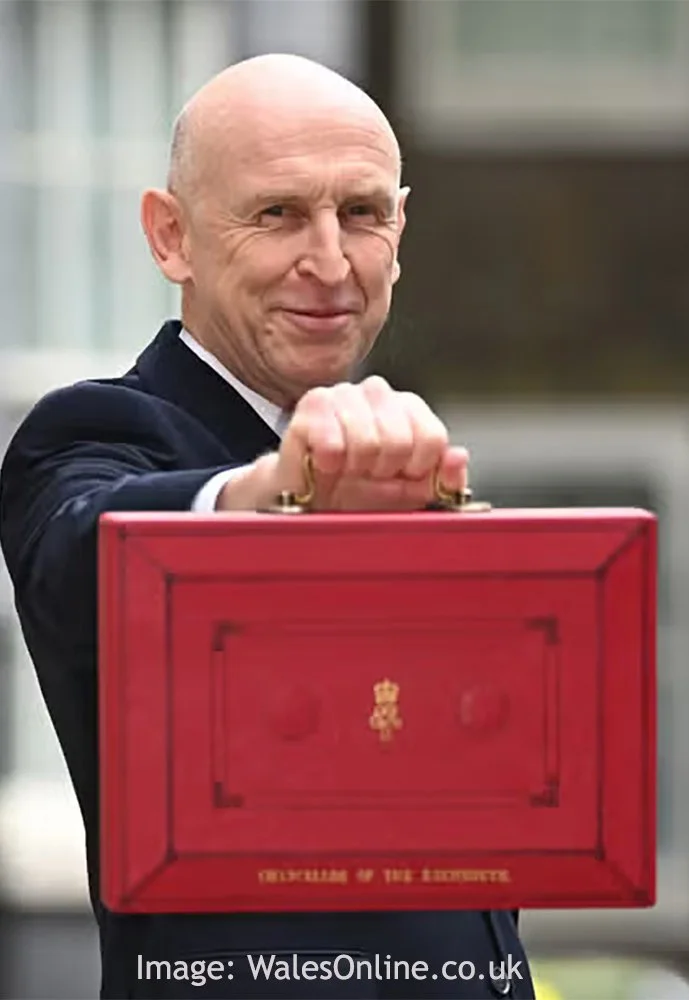
Last week, on Wednesday 28th October, Chancellor John Healey delivered the Autumn Budget, his first budget as Chancellor and the first under new Prime Minister, Andy Burnham. Commentators were expecting it to be a mixed bag and, I think, that’s what we got. For small businesses across Hampshire and Surrey, there are some welcome measures and but also a few new costs to plan for. Most changes also don’t start until April 2027 so there’s time to prepare. Here’s what I think matters most.
Business rates relief for high street firms
The small business rates relief threshold for retail, hospitality and leisure rises from £12,000 to £18,000, giving a tax break to around 70,000 smaller firms, though vape shops and adult gaming centres are excluded. The Federation of Small Businesses (FSB) welcomed this but argued that relief should have reached other small businesses too.
Higher minimum wage
If you’re a small business with staff, it probably comes as no surprise that the National Minimum Wage will rise again from April; it does seem to rise each year. From 1st April 2027, the National Living Wage will also rise by 3.9% to £13.21 an hour for workers aged 21 and over, and the 18–20 rate rises to £11.27. If you employ staff, build this into your 2027/28 forecasts now.
Higher mileage rates for business drivers
The Chancellor confirmed that the 55p-per-mile rate for the first 10,000 business miles, which applied retrospectively from 6 April 2026, is now permanent. From 6 April 2027, the rate for business miles above 10,000 in a car or van rises from 25p to 35p. The self-employed get the same rates through simplified expenses, so this applies whether you’re an employee driving your own vehicle or a sole trader visiting clients. If you travel regularly for work, keep a clear mileage log so you can claim the full amount.
A bigger tax-free allowance for side hussles and start-ups
The Chancellor announced that the tax threshold for small and side businesses will rise from £1,000 to £3,000 from 6th April 2027, no doubt welcome news for anyone concerned. A new Young Entrepreneurs Allowance will also cover a year of living costs for young founders; details on this are still being worked out but it’s likely to come into effect in 2027 as well. (Talking of young people, regional Apprenticeship Hubs were announced to help youngsters into Apprenticeships, which can also only be a good thing; we just have to wait to see how they will work).
Changes for company owners and founders
The lifetime limit for Business Asset Disposal Relief will half from £1 million to £500,000 from 6th April next year. In addition, a new Founders’ Relief offers a lifetime capital gains tax relief on up to £10 million of gains but its criteria are narrow; further details to be announced in 2027. No further rise in headline dividend tax rates was announced, though changes to how company distributions are taxed are planned for April 2028. If you’re considering selling or restructuring, speak to me early.
Working from home
If you’re a small business working from home, there is some good news for your bills. Gas standing charges are being removed from next year and a £100 Household Energy Payment goes to council tax bands A to D in England from January 2027. The gas standing charge will be folded into unit prices so check your bills rather than assuming a saving. The fuel duty freeze is extended to July 2027, which helps if you travel to clients. Self-employed parents also gain from a new Parental Allowance for eligible self-employed parents from April 2029.
The wider picture
The OBR (Office for Budget Responsibility) now expects GDP growth of 1% next year and inflation is forecast at 3.4%. The FSB says 47% of small businesses expect revenues to shrink. With margins tight, accurate, up-to-date records matter more than ever.
What to do next
Review your 2027/28 budgets and pricing and make sure your bookkeeping is up to date ahead of the April changes. Get in touch with me to talk through how the Budget affects your business.
Further Reading
For the official Parliament summary of the 2026 Budget, click here.
For Martin Lewis, the Money Saving Expert’s, analysis, click here.